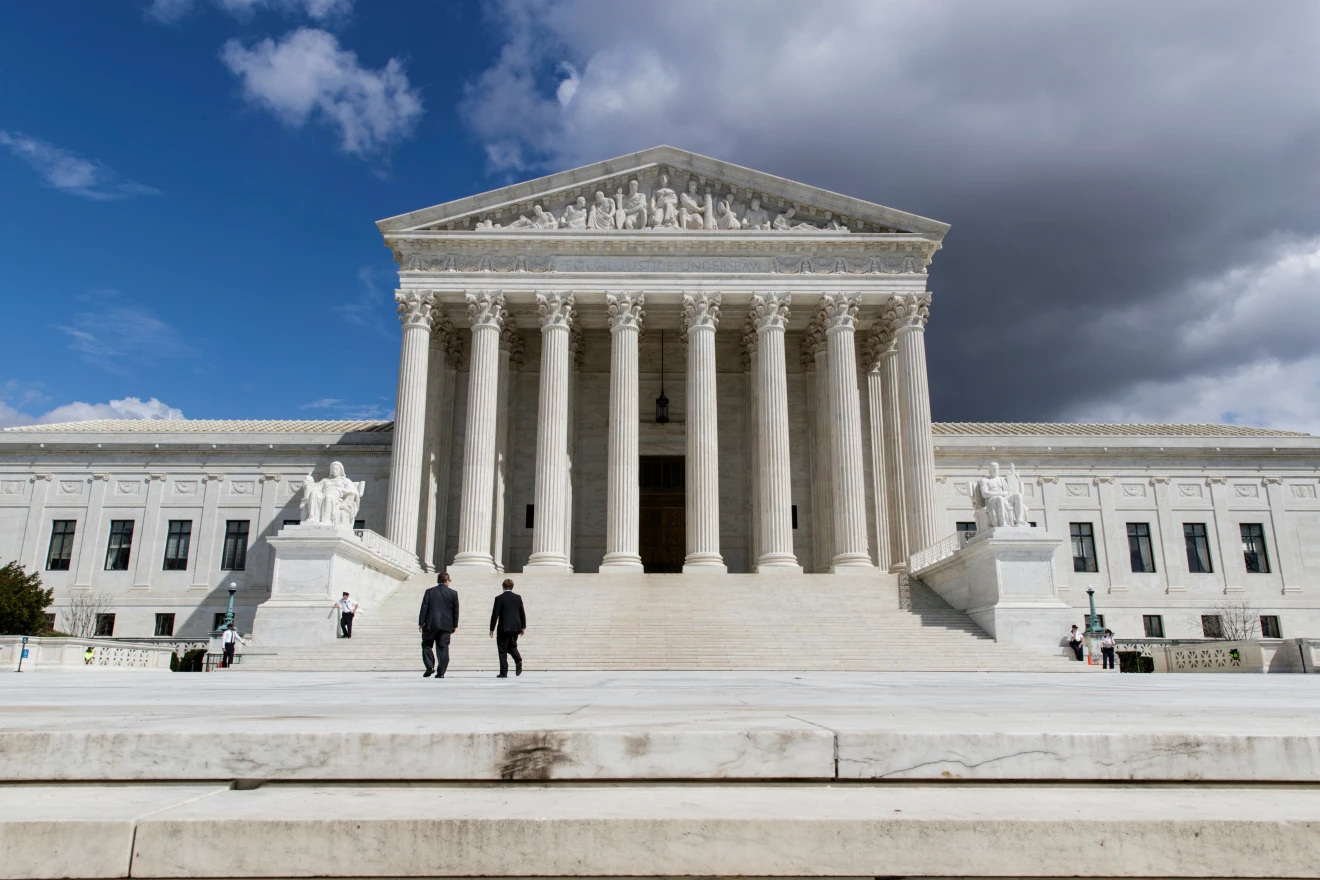


One Nation Under One Constitution
At the heart of the United States lies a single, defining document: the Constitution. It is not merely a historical artifact preserved in the National Archives, but a living framework that shapes how the nation governs itself and protects the rights of its people. The Constitution stands as the supreme law of the land, establishing one unified legal system and one consistent standard of rights and responsibilities that apply equally to every individual within the country.

In America, there are no parallel systems of authority that override constitutional law. There are no competing legal codes that stand above it. There are no separate standards that grant special privileges to one group while denying protections to another. The Constitution serves as the binding agreement between the government and the governed — defining how power is distributed, how laws are enacted, and how individual freedoms are preserved.
At its core, the Constitution guarantees equal protection under the law and due process — principles that ensure fairness in the legal system. It safeguards fundamental liberties such as freedom of speech, freedom of religion, freedom of assembly, and the right to petition the government. These rights are not conditional. They do not depend on race, faith, political belief, or social status. They apply to everyone equally.
Government authority itself flows from this document. Elected officials, judges, law enforcement officers, and lawmakers all operate within the boundaries set by the Constitution. They answer to its limits and its protections — not to religious doctrine, partisan ideology, or external legal traditions. In this sense, the Constitution acts as both shield and restraint: it shields citizens from abuse of power while restraining government from overreach.

A constitutional republic depends on consistency. Laws must be applied fairly and uniformly if public trust is to endure. When standards are predictable and transparent, citizens can understand their rights and responsibilities. Stability grows when people believe that the law treats them equally and that institutions operate impartially.
Order and liberty are often portrayed as opposing forces, but in reality, they function together. A society that values freedom must also value the rule of law. Without order, rights become fragile. Without liberty, order becomes oppressive. The Constitution provides the framework that allows both principles to coexist and reinforce one another.
For example, enforcing immigration laws, securing national borders, and defending national sovereignty can operate alongside protecting civil liberties and upholding First Amendment freedoms. Protecting religious expression does not require surrendering constitutional authority. Maintaining public safety does not demand abandoning individual dignity. The balance is delicate, but it is precisely what the constitutional system is designed to maintain.
America’s resilience has long stemmed from this equilibrium. Through political disagreements, economic upheavals, social transformations, and cultural shifts, the Constitution has remained the steady foundation beneath changing circumstances. It provides continuity in times of uncertainty and clarity in moments of conflict.
True unity, however, cannot be built on fear or division. It cannot be sustained by scapegoating communities or inflaming tensions. Lasting unity grows from clarity, accountability, and shared commitment to constitutional principles. When leaders ground their decisions in the Constitution rather than in fleeting political pressures, institutions maintain legitimacy. When laws are enforced consistently rather than selectively, trust deepens.
The principle that American law governs within the United States — and that it applies equally to everyone — reinforces national cohesion. It protects families by ensuring fairness. It honors the sacrifices of service members and veterans who swore to defend the Constitution. It safeguards the freedoms that define American life.
Adhering to constitutional standards means resisting the temptation to create competing systems of authority or to interpret rights selectively. It requires discipline from lawmakers and vigilance from citizens. It demands that public officials place constitutional duty above personal or partisan interest.
At the same time, the Constitution allows for growth and adaptation. Through amendments, judicial interpretation, and legislative action, it provides mechanisms for change while preserving core principles. This flexibility has enabled the country to expand civil rights, strengthen democratic participation, and adapt to modern challenges without abandoning its foundational framework.
In a nation as diverse as the United States — with varied cultures, beliefs, and backgrounds — the Constitution serves as the common ground. It is the shared agreement that binds citizens together despite differences. It ensures that disagreements are resolved through lawful processes rather than through competing authorities.
Ultimately, the strength of the United States lies not merely in its economic power or military capability, but in its commitment to constitutional governance. One Constitution. One rule of law. One consistent standard of rights and responsibilities. That clarity fosters stability, protects liberty, and reinforces equality.
When this foundation remains firm, the nation can navigate political conflict, cultural diversity, and social transformation without fracturing. It can address challenges while maintaining continuity. It can defend freedom while preserving order.
In the end, a constitutional republic thrives when its citizens and leaders alike recognize that liberty and law are intertwined. The Constitution is not an abstract concept — it is the living framework that ensures fairness, accountability, and equal justice for all. And as long as it remains the guiding authority, the United States retains the strength to endure, adapt, and uphold the principles that have defined it since its founding.