
Carolyn Bender remembers her niece’s smile: broad and vibrant and heartbreakingly innocent, as though the whole world was in on her joke.
She remembers Emily drawing in the back seat of the car, and teasing her younger brother, and the sound of her soft-spoken voice. She recalls with a smile her love of being active in the outdoors: Emily was “always on a swing, always in a pool.”
That’s how Emily Pike’s family remembers her. But for many in her tribe and across Arizona, she is known for something else: Being the victim of a savage crime.
Last year Emily – a 14-year-old member of the San Carlos Apache tribe – went missing from her group home in Mesa, an eastern suburb of Phoenix. Her dismembered body was discovered by hikers nearly three weeks later and around 70 miles away, stuffed into trash bags left by the side of a rural highway.

A multi-pronged investigation by federal and tribal authorities, with the support of the FBI, has seemingly stalled. And a year later Emily’s family is still left waiting, desperately, for justice.
But her grisly killing underscores a broader problem: an epidemic of violence against Native American women and girls who go missing or are killed at a staggeringly high rate.
Native people were reported missing more than 10,200 times in 2024, according to the latest available FBI data: a rate of 28 missing person cases a day, or more than one an hour. Over 7,000 of those cases involved children, and more than 4,000 involved girls.
This is a crisis hidden in plain sight, campaigners and tribal leaders say. In 2023, homicide was the fourth-leading cause of death for Native American men under the age of 45, according to the Centers for Disease Control and Prevention (CDC), and the sixth-leading cause for women of the same age. And in a landmark study conducted a decade ago, more than four in five Native American women said they had experienced violence in their lifetime.

There are many factors behind the alarming numbers. Questions of jurisdiction and a lack of trust of federal authorities have made Native American reservations a breeding ground for violent crime, experts say. And time after time, the vital first hours and early days of an investigation have been lost, letting perpetrators slip into the shadows.
Pike’s case is a rare breakthrough; it’s generated media coverage across the state, awakening Arizona to the problem. But as her name slips from headlines, her family is fighting to keep her memory alive.
“The way she was taken from us was brutal,” her uncle, Allred Pike, tells CNN. “But it was also a reminder that these types of things happen in Indian Country, and they’re not reported.”
“If her skin color was different, it would be all over national news,” he says. “This issue has always been there.”
‘It felt like a horror movie’
Emily Pike grew up on the San Carlos Reservation east of Phoenix, alongside some 11,000 fellow members of her tribe. Bender remembers celebrating Emily’s life before it even began. “We gave her a baby shower because we were excited that she was coming into the family,” the aunt says. “She was like a little princess.”
“Her brother was her best friend,” she adds. Emily would tease him, but they’d never tire of playing together. She played with dolls and, as she got older, liked to draw, Bender says.
But as Emily entered her teenage years, the wide-eyed smile her relatives remember became a rarer sight. “When she’d get upset, she’d quiet down and just keep to herself,” Bender says. Her family faced struggles including addiction, Bender said, and Emily’s father spent time incarcerated, his lawyers said.
She was reported missing from a group home in Mesa on a Monday in late January of 2025. But it wasn’t the first time she had disappeared: Emily had slipped from the facility multiple times in the previous year.
She’d been placed in the group home by San Carlos Apache leaders, under custody of the tribe’s social services department, after reporting that she had been the victim of sexual abuse, her relatives say. Unusually, those claims were investigated by the reservation’s Game and Fish officers, not its police force.
“I don’t know who (made) that decision,” a member of the tribal police department told CNN, speaking on the condition of anonymity to discuss the case freely. In cases where failures occur, “lack of communication is always where things break down,” they added.
In bodycam footage captured from Mesa police officers in 2024 and released to CNN affiliate KNXV after a public records request, Emily is seen being picked up by officers at night while walking along a canal after escaping from her group home. “No, I don’t wanna go back,” she tells them before bursting into tears. “I wanna see my mom. I wanna stay with my grandma instead.”
“Her headspace was always home,” Bender tells CNN. “She loved her family, she loved her mom and her siblings … she just wanted to go home.”

Three months after her third escape attempt, in late January last year, Emily vanished for a final time. “I looked under the bed, I looked in the closet, I looked outside. The gate was open,” a representative from the group home told police after dialing 911, according to bodycam footage from that night that was obtained by KNXV and confirmed to CNN.
In September Emily’s father, Jensen Pike, sued the group home, claiming the facility “failed to reasonably watch, supervise, care for, and protect Emily Pike,” and did not alert the proper authorities after her disappearance. A state investigation into Emily’s death found that the home failed to report a missing person to Arizona’s Department for Child Safety, in violation of state licensing rules; the agency ordered the home to revise its policies and training, or risk having its license revoked. The home’s owner and CEO, Elizabeth Morales, did not respond to repeated CNN requests for comment.
Emily was initially reported as a runaway, and many of her relatives were not told she had escaped. “Nobody reached out to us or contacted us,” says Bender, adding that she learned of the incident when she saw missing-person posters being shared online. Emily’s mother, Stephanie Dosela, said in interviews last year that she didn’t know about her daughter’s disappearance until a week after it happened. Dosela did not return CNN’s requests for an interview.
Then, Emily’s remains were discovered on February 14 by the side of Highway 60 near Globe. Bender says she was given the horrible news over the phone by a representative from the group home.

“It felt like somebody pulled the carpet from my foot, and I just fell,” she says. “The entire time, I’d been in denial. I’d been telling myself that she’s fine.”
Her body had been cut into multiple pieces and stuffed into trash bags. Some body parts were never found. “It felt like a horror movie,” Bender says. “A nightmare.”
Bender eventually called family members. Allred Pike was driving when the call came through. “(Carolyn) was barely able to keep it together when she was telling me,” he says.
“There’s a lot of areas where we failed her,” he adds. “I just pray that the areas that (allowed) her to fall between the cracks are fixed. So no other kids will have to go through this.”
Native children often get lost in the system
The news of Emily’s killing shocked her reservation and traveled quickly through Arizona. But to many of those in other tribes, it did not come as a surprise.
“Every one of our families have been affected,” says Margo Hill-Ferguson, a former attorney for the Spokane Tribe and an activist for Missing and Murdered Indigenous Women (MMIW). Some of Hill-Ferguson’s own relatives have gone missing, she says, and the search for their whereabouts was slow and disorganized. Years ago, her cousin was found dead after vanishing from their reservation in Washington state.
“It’s very devastating when people don’t look for your family member, or there’s confusion about it,” she says. “We shouldn’t have to be a victim because of our race and because of where we live.”
Hill-Ferguson has not been involved with the Emily Pike case, but she said aspects of Emily’s story felt tragically familiar from her years working cases on the Spokane reservation. “We have a lot of native children that are put in foster homes,” she says. “There’s no connection with their family or tribe … kids are taken away from their families, their tribe, their culture, and they really get lost in the system.”

A handbook for the parents of missing children, provided by the Department of Justice, acknowledges that limited resources and a complicated legal landscape create “significant obstacles to quickly responding to a child who goes missing on Tribal land.”
Tribal authorities generally cannot prosecute felonies and do not have criminal jurisdiction over non-Indians, creating a loophole-laden legal and investigative patchwork that allows criminals to slip through the cracks. “It leads to targeting,” Hill-Ferguson said. “Criminals and bad actors believe that they can get away with (crimes) on the Indian reservations.”
Then, when violent crimes do occur, tribes typically need to wait for a local law enforcement agency to travel to the reservation – many of which are remote – to investigate. It’s common for a case to be passed between agencies over the ensuing weeks. Emily’s case was initially handled by Mesa Police, but the Gila County Sheriff’s Office has taken over the homicide investigation since her remains were discovered in the county, with support from the FBI and the US Bureau of Indian Affairs. CNN has reached out to each agency for comment.
A person of interest was interviewed and search warrants were executed last summer, the Gila County Sheriff’s Office told local media, but no arrests have been made. Both the FBI and the San Carlos Apache Tribe have offered $75,000 for information that leads to the case being solved.

‘She wasn’t trash’
For many years, the epidemic of violence, death and disappearance impacting Native American women and girls festered largely in silence.
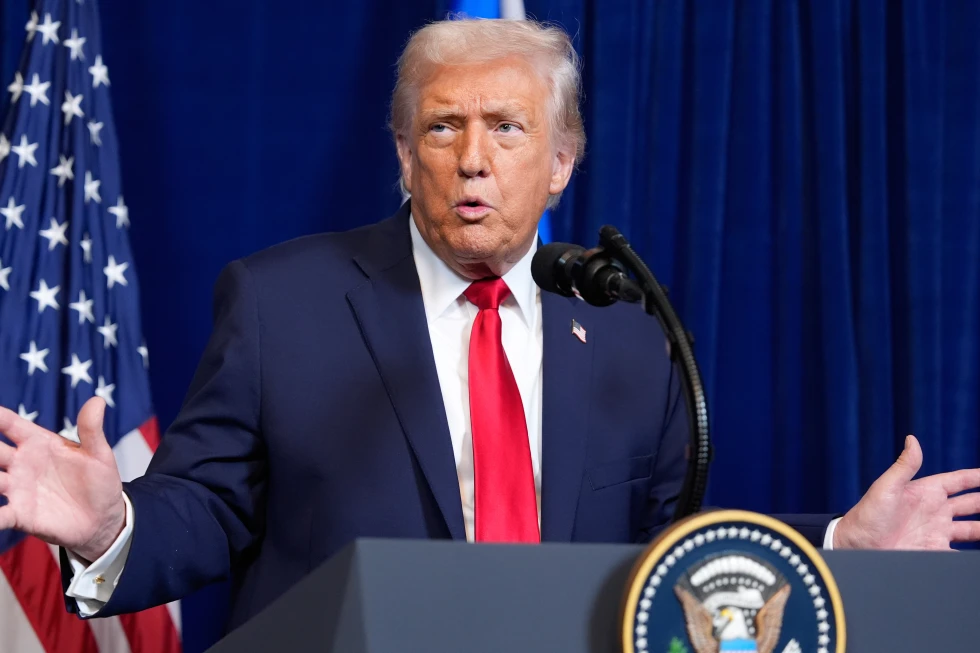
President Donald Trump, Arizona’s Gov. Katie Hobbs and several state leaders created task forces in the years before Pike’s slaying to investigate why so many American Indian people go missing.
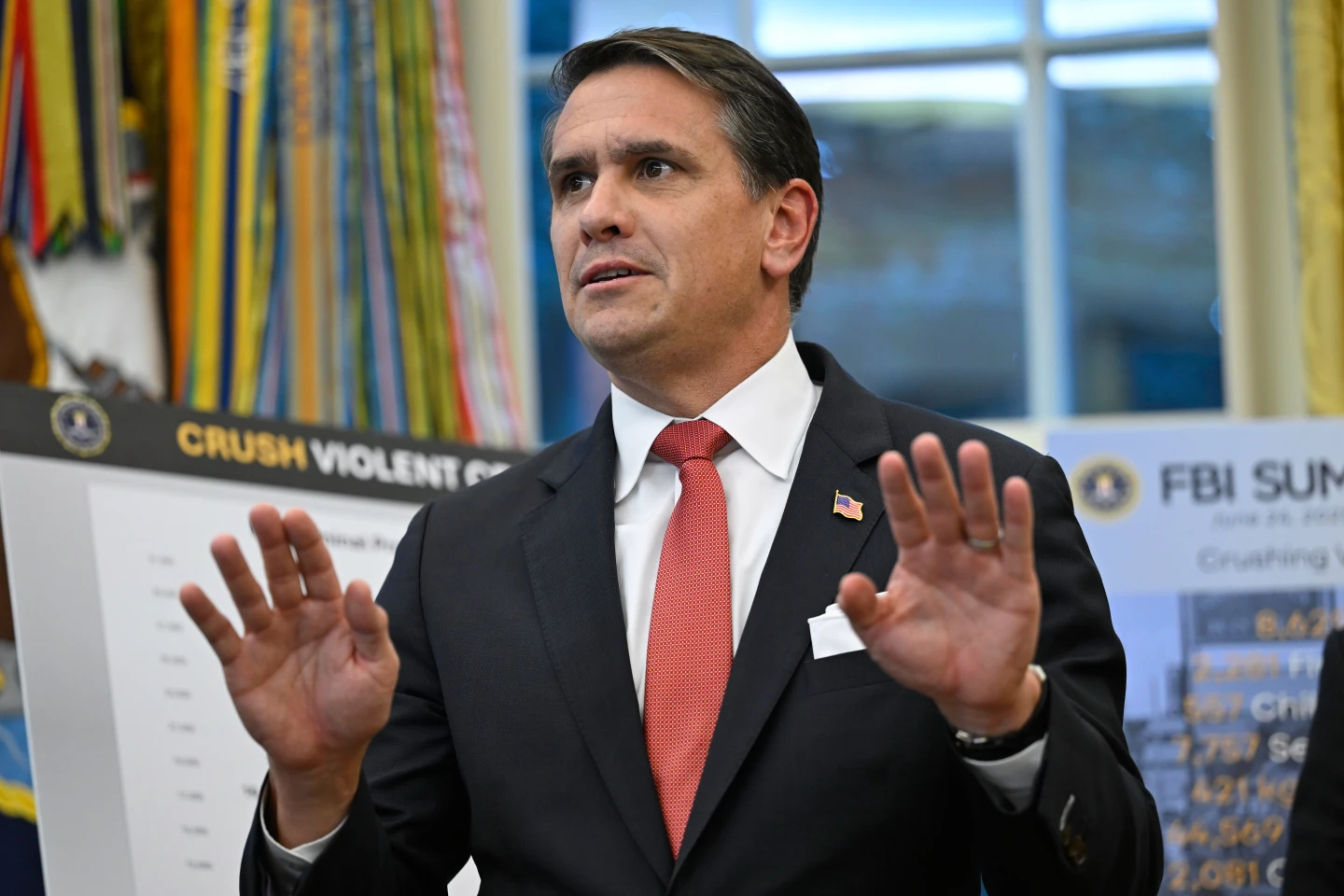
In 2024, the FBI and the US Bureau of Indian Affairs launched “Operation Not Forgotten,” a partnership to investigate physical and sexual abuse of children, violent assaults, domestic violence, missing persons cases and killings on reservations. In three months, it led to 40 arrests, the indictments of 11 alleged violent offenders and the removal of nine children from abusive or neglectful situations, the FBI said. Last year, the FBI boosted resources to 10 states, including Arizona, to again target the problem.
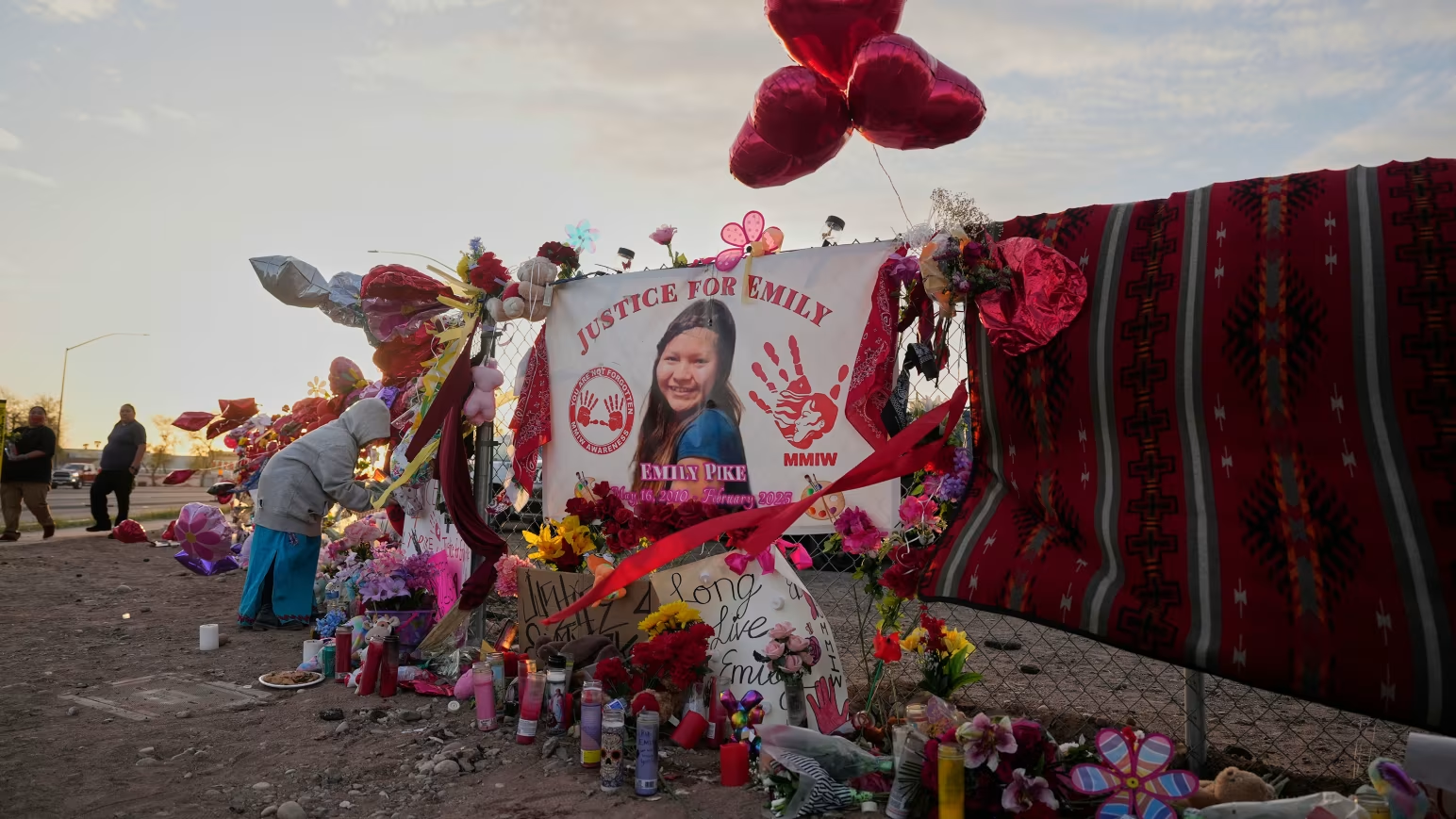
But few cases have created as much urgency as Emily’s. Her tribe has held vigils and protests frequently in the past year. In the months after her death, Arizona created a new “turquoise alert,” also called Emily’s Law, to plug gaps in the existing Amber Alert system and create quicker phone and roadside alerts when Native people disappear. Protests and memorials were held for Emily across the Southwestern United States and as far away as Wisconsin.

“It hit the community hard — not just the San Carlos community, but the whole reservation down here, almost all of Arizona and throughout Indian country,” Allred Pike says. On Saturday, one year to the day that his niece’s remains were discovered, he will join other family members on a charity walk in the Phoenix area. There are plans for a permanent Emily memorial to be established on the reservation in March, he added.
“We do our best to show up and speak on her behalf,” he says. “Her killer or killers are still out there – we just have to keep advocating (for her).”
But Allred Pike is growing increasingly exasperated. “We hardly ever get any updates” on the investigation, he says.
So for now, Emily Pike’s relatives do all they can. “We let people know (that) she mattered,” Allred Pike says. “Someone discarded her like trash alongside a road … (but) she wasn’t trash. She was our niece, or my brother’s daughter, she had grandparents, she had a family.”
“We need to catch the people who did this to her,” he adds. “Her story hasn’t ended yet.”