

A powerful new law in Idaho has thrust the state into the center of one of the most emotionally charged and legally complex debates in America today — how far should the justice system go when it comes to punishing crimes against children?

Supporters call it a bold stand for the protection of the innocent. Critics warn it could collide head-on with constitutional limits. Either way, House Bill 380 has ignited a national conversation that reaches far beyond Idaho’s borders.
Signed into law by Governor Brad Little, the legislation dramatically expands the scope of capital punishment in the state. Under the new statute, individuals convicted of aggravated lewd conduct involving children under the age of 12 may now face the death penalty. Traditionally, in modern American law, capital punishment has largely been reserved for cases involving homicide. Idaho’s decision to extend it to certain non-homicide crimes marks a significant departure from that long-standing norm.

For many residents and lawmakers who backed the measure, the reasoning is clear. They argue that crimes involving the exploitation or abuse of very young children represent a profound moral violation — one that inflicts devastating and lifelong harm. In their view, the severity of the punishment should reflect the gravity of the offense. By expanding eligibility for the death penalty, they believe Idaho is sending a clear and uncompromising message: the state will respond to the abuse of children with the harshest penalties available under law.
But the legislation does more than expand who may face capital punishment. It also specifies how it would be carried out.
In cases prosecuted under this statute, the firing squad has been designated as the default method of execution if the death penalty is ultimately imposed. That provision alone has drawn national attention. While several states still authorize firing squads as an option, relatively few have identified it as the primary method. Supporters describe the approach as transparent and decisive. Opponents see it as symbolic of a broader shift toward more aggressive enforcement.
Beyond the capital punishment component, House Bill 380 also strengthens penalties for other serious child exploitation offenses. Sentencing guidelines have been tightened, and additional measures aim to ensure that those convicted of related crimes face longer prison terms and stricter legal consequences. Proponents argue that this comprehensive framework reflects Idaho’s broader commitment to protecting minors and reinforcing family safety.
To backers of the law, the issue is straightforward. They contend that the justice system must evolve to address the most severe crimes with equally severe consequences. They emphasize deterrence, arguing that the possibility of the ultimate punishment may discourage would-be offenders. In their view, strong penalties serve not only as retribution but also as prevention.
Yet the measure’s passage has triggered intense legal scrutiny.
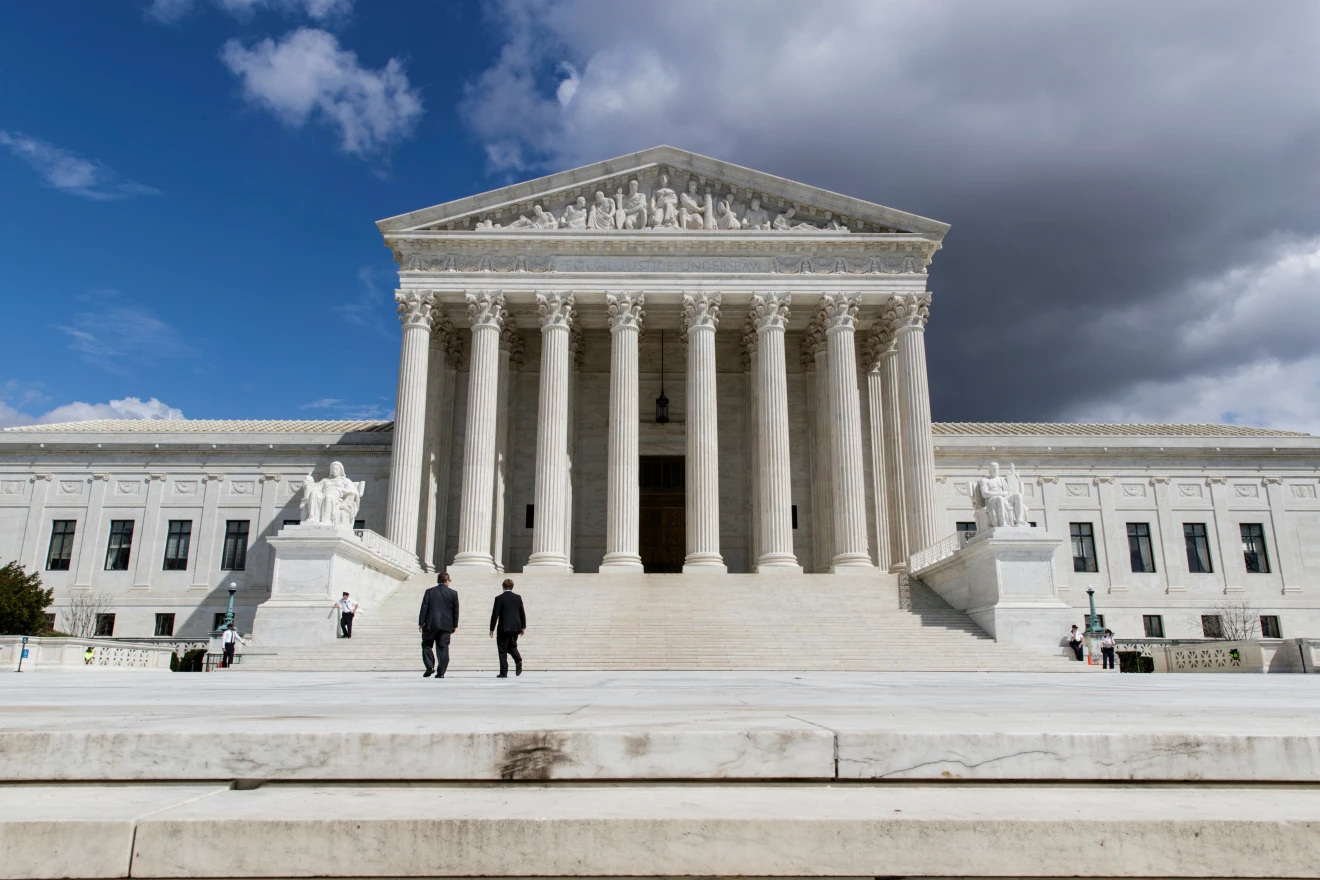
Many constitutional scholars and civil rights advocates point to longstanding U.S. Supreme Court precedent limiting the application of the death penalty primarily to cases involving homicide. In past rulings, the Court has struck down attempts by states to impose capital punishment for certain non-homicide crimes — even in cases involving extreme harm. As a result, numerous experts predict that Idaho’s law will face immediate legal challenges and may ultimately be reviewed at the federal level.
At the center of the debate lies the Eighth Amendment, which prohibits cruel and unusual punishment. Critics argue that expanding the death penalty beyond homicide may conflict with the principle of proportionality — the idea that punishment must be carefully aligned with the nature of the crime. They caution that while public outrage over crimes against children is both powerful and understandable, legislative responses must still adhere to constitutional boundaries.
There are also practical considerations.
Capital cases are among the most complex and expensive proceedings in the American legal system. They often involve extensive investigations, heightened evidentiary standards, specialized legal representation, and lengthy appeals. Even after a conviction, appeals can stretch on for years or even decades. Civil liberties groups note that the financial and procedural demands of pursuing death penalty cases can place a significant burden on state resources.
Furthermore, some legal analysts question whether the law’s deterrent effect — frequently cited by supporters — will withstand empirical scrutiny. Research on the death penalty’s impact on crime rates has long been debated, with studies reaching varying conclusions. As such, the practical outcomes of Idaho’s policy shift remain uncertain.
Still, the law’s supporters maintain that the moral imperative outweighs the legal and financial concerns. They argue that the severity of crimes involving very young children demands a response that leaves no ambiguity about the state’s position. In their view, failing to impose the strongest possible penalties could signal insufficient resolve in protecting vulnerable populations.
The enactment of House Bill 380 has therefore positioned Idaho as a focal point in a much broader national discussion about justice, punishment, and the limits of state authority. The debate touches on deeply fundamental questions. How should society respond to its most disturbing and harmful crimes? Where should lawmakers draw the line between deterrence and constitutional restraint? And how should courts balance evolving public sentiment with established legal precedent?
As the law takes effect, its ultimate fate may rest less in the hands of legislators and more in the courts. Legal challenges appear likely, and many observers anticipate a judicial examination of whether the statute aligns with Supreme Court rulings that have shaped death penalty jurisprudence for decades.
Whether House Bill 380 withstands constitutional scrutiny or becomes the subject of a landmark legal battle, it has already accomplished one undeniable outcome: it has sparked an intense and nationwide conversation about the future of capital punishment in America.
For now, Idaho stands at the forefront of that conversation — navigating the tension between public demand for accountability and the constitutional guardrails that define the American justice system. The coming months and years will determine not only the future of this law, but potentially the direction of capital punishment policy across the country.