
A growing call for accountability is echoing across Minnesota, where members of the state’s Somali community say recent federal immigration enforcement actions have left deep and lasting scars. What began as a series of Immigration and Customs Enforcement (ICE) operations has, according to community leaders and advocates, evolved into a broader crisis affecting families, businesses, and the social fabric of entire neighborhoods. Now, local organizations and residents are urging state and federal officials to consider reparations and comprehensive relief measures to address what they describe as widespread harm.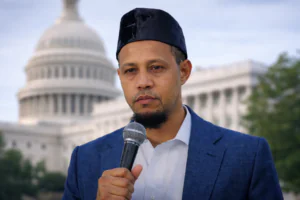
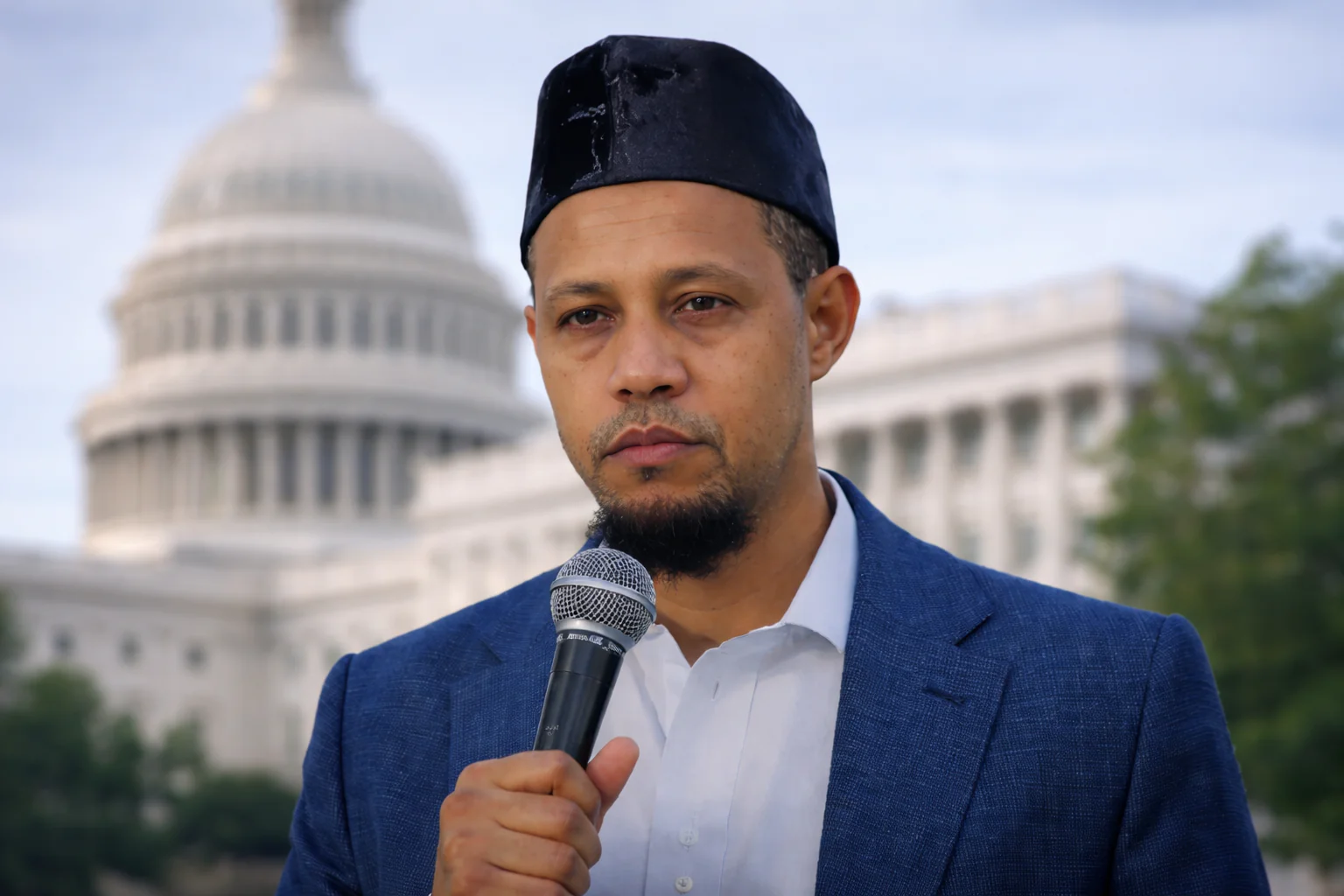
At community gatherings, press conferences, and organized advocacy events, leaders have spoken passionately about the ripple effects of the enforcement actions. Groups such as Neighbors United and other grassroots coalitions argue that the impact extends far beyond those directly detained. They say the psychological and economic consequences have touched children, parents, small business owners, and even longtime residents who hold legal status but now feel uncertain about their safety.
For many families, the fear is not abstract. Community representatives describe households shaken by sudden detentions and the looming possibility of separation. Children, they say, have struggled with anxiety and confusion after witnessing or hearing about enforcement operations in their neighborhoods. Parents report sleepless nights, worried not only about their own futures but about how instability could affect their children’s education and emotional well-being.
Advocates argue that trauma has become a shared experience. Even families not directly targeted have altered their daily routines. Some residents avoid public spaces, limit travel, or hesitate to attend community events out of concern that enforcement actions could occur unexpectedly. This heightened vigilance, organizers say, has eroded the sense of normalcy and security that many immigrant families worked years to build.
Economic repercussions have also been widely reported. Small business owners in Somali-majority neighborhoods describe noticeable declines in foot traffic and sales. When residents feel unsafe leaving home, local shops, restaurants, and service providers often suffer. According to community leaders, this slowdown compounds the hardship faced by families already navigating uncertainty.
Advocacy groups maintain that these consequences are not isolated incidents but symptoms of a broader disruption. They argue that enforcement actions, regardless of their legal justification, have unintentionally destabilized community trust. In neighborhoods where relationships with schools, healthcare providers, and public agencies were once improving, leaders say fear has complicated engagement and cooperation.
In response, some Somali community leaders are calling for reparations or structured relief packages. Their proposals vary but share a common theme: acknowledgment and support. Suggested measures include direct financial assistance to families impacted by detentions or economic losses, emergency housing protections to prevent displacement, and expanded access to legal aid. Advocates also emphasize the need for culturally competent, trauma-informed mental health services tailored to immigrant communities.
Supporters of these proposals argue that relief efforts would not undermine law enforcement but would address unintended harm. They contend that when enforcement actions produce community-wide consequences, government institutions — whether federal or state — have a responsibility to mitigate those effects. From their perspective, assistance programs would help stabilize families, preserve local businesses, and rebuild trust.
Community leaders stress that their requests are rooted in a desire for fairness and healing. They say reparations would not be symbolic gestures but practical steps toward restoring a sense of security. Financial support could prevent families from falling into deeper economic hardship. Mental health services could help children and adults process fear and uncertainty. Legal resources could provide clarity and reassurance for those navigating complex immigration systems.
However, the push for reparations has sparked debate. Critics argue that immigration enforcement is a federal responsibility grounded in law. From their standpoint, ICE operations are designed to address violations, combat fraud, and uphold public safety. They caution that compensation efforts could send conflicting signals about enforcement priorities and divert public funds from other pressing needs.
Some policymakers also raise concerns about precedent. They question how reparations would be defined, who would qualify, and how eligibility would be determined. Opponents argue that resources should focus on legal compliance and community safety rather than compensation.
The broader discussion touches on complex issues: the balance between enforcement and compassion, federal authority versus local impact, and how governments respond when policies generate unintended social costs. Supporters of relief measures emphasize that communities are not asking to change federal law but to address collateral damage. Critics maintain that law enforcement cannot function effectively if policy consequences are reframed as grounds for compensation.
As the debate unfolds, Minnesota’s Somali community continues to voice its concerns publicly. Advocacy events have drawn attention from local officials, faith leaders, and civil rights organizations. Conversations are taking place in city halls, state offices, and community centers, where residents share personal stories alongside policy proposals.
For some observers, the situation underscores the deeply interconnected nature of immigration policy and community life. Enforcement actions may target specific individuals, but their effects often radiate outward. In neighborhoods with tight-knit family structures and strong social networks, one detention can ripple through extended households, workplaces, and schools.
At the same time, discussions about relief measures raise fundamental questions about accountability. What responsibility do governments bear for unintended social and economic consequences? How can policymakers balance enforcement objectives with the well-being of local populations? And what role should state governments play when federal policies impact specific communities within their borders?
As policymakers consider these questions, the lived experiences of residents remain at the heart of the conversation. For families navigating uncertainty, the debate is not abstract. It is about daily life — about whether children feel safe walking to school, whether business owners can keep their doors open, and whether neighbors trust public institutions enough to seek help when needed.
Whether reparations or expanded relief programs gain traction remains uncertain. What is clear is that the discussion has moved beyond enforcement statistics and into the realm of community resilience and recovery. The Somali community’s call for acknowledgment and assistance has placed a spotlight on how federal policies resonate at the local level.
In the months ahead, Minnesota lawmakers and federal officials may face increasing pressure to respond. The outcome could shape not only policy decisions but also the broader relationship between immigrant communities and the institutions meant to serve them. As conversations continue, the challenge will be finding a path that addresses both the rule of law and the human realities unfolding in neighborhoods across the state.